
People who design book covers are called Book Cover Designers, Book Jacket Designers, or Cover Art Directors, depending on their seniority and specific role. You'll find these professionals working either in-house at publishing companies or as freelancers, creating the visual elements that capture a book's essence. Entry-level positions include Junior Book Designer and Assistant Cover Designer, while senior roles encompass Senior Cover Designer and Art Director of Cover Design. These creatives typically earn between $35,000 to $120,000 annually, based on experience and position. Understanding the various career paths and required skills can help you determine which direction best suits your goals in this dynamic field.
Key Takeaway
- Book Cover Designers or Book Jacket Designers are the most common professional titles for people who create book covers.
- Visual Design Specialists and Book Cover Artists are alternative titles used in the publishing industry.
- Senior positions include Art Director of Cover Design and Creative Director of Book Covers.
- Junior positions include Assistant Cover Designer, Junior Book Designer, and Design Associate.
- Cover Art Directors oversee teams of designers and manage the overall visual direction of book covers.
Job Titles in Book Design
Book cover designers go by several professional titles in the publishing industry. You'll find these creative professionals working under various designations that reflect their specific roles and responsibilities in book production.
Common Job Titles:
- Book Cover Designer
- Book Jacket Designer
- Cover Art Director
- Book Cover Artist
- Visual Design Specialist
- Publishing Designer
Within publishing houses, you'll encounter more specialized titles that indicate seniority and focus:
Senior Positions:
- Senior Cover Designer
- Art Director of Cover Design
- Creative Director, Book Covers
- Executive Design Manager
Junior Positions:
- Junior Book Designer
- Assistant Cover Designer
- Design Associate
- Production Artist
You'll notice that larger publishing houses typically maintain a hierarchy of designers, while smaller publishers might employ professionals who wear multiple hats. For instance, a Senior Cover Designer at Penguin Random House might focus exclusively on covers, while a Publishing Designer at an independent press could handle covers, interior layout, and marketing materials.
The title often reflects both the designer's experience level and the publisher's organizational structure, with salaries ranging from $45,000 to $85,000 annually.
Required Skills and Qualifications
Essential Technical Skills:
- Proficiency in Adobe Creative Suite (particularly Photoshop, InDesign, and Illustrator)
- Understanding of print production and digital publishing requirements
- Knowledge of typography and font licensing
- Color theory and management expertise
- File preparation and format conversion capabilities
Creative and Professional Requirements:
- Bachelor's degree in Graphic Design, Visual Arts, or related field
- Strong portfolio demonstrating versatility across genres
- Visual storytelling ability to capture a book's essence
- Understanding of current market trends and genre conventions
- Excellent communication skills for client collaboration
Additional Qualifications You'll Need:
- Time management skills to handle multiple projects
- Marketing awareness to create commercially viable designs
- Basic photography and image manipulation skills
- Knowledge of copyright and licensing regulations
- Ability to interpret creative briefs and follow brand guidelines
Industry statistics show that 85% of successful book cover designers possess at least three years of professional design experience before specializing in book covers.
Career Paths and Training
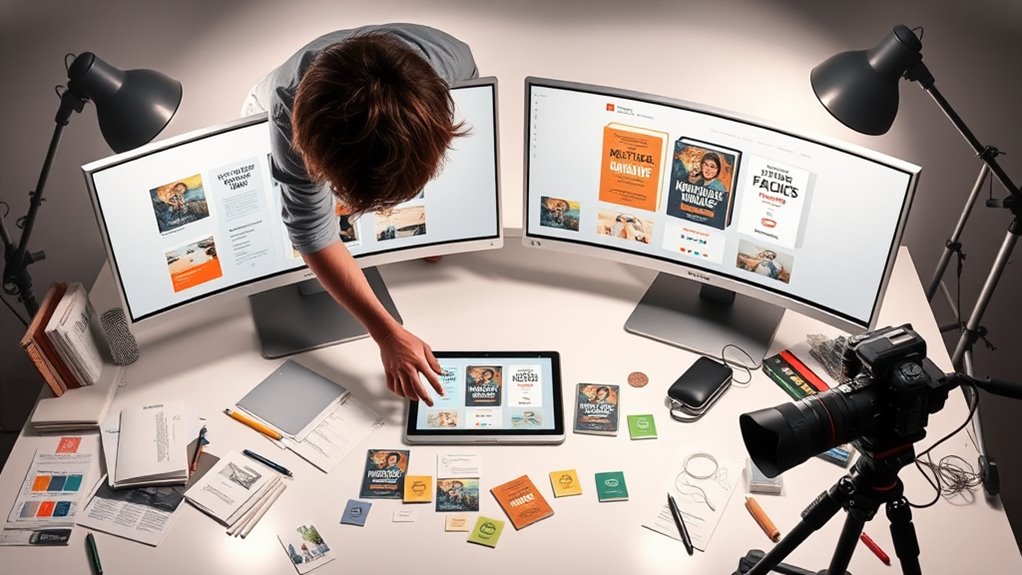
Aspiring book cover designers can pursue several paths to enter the field. You'll find that many professionals start with a bachelor's degree in graphic design, visual arts, or a related discipline, though it's not always mandatory.
Common Career Paths:
- In-house designer at publishing companies
- Freelance book cover designer
- Design agency specialist
- Independent studio owner
Training Options:
- Four-year university programs in graphic design
- Two-year associate degrees focusing on digital arts
- Professional certification courses
- Online specialized book design programs
You'll need to develop your portfolio while pursuing formal education or self-directed learning. Many successful designers start by completing internships at publishing houses, where you'll gain hands-on experience with real projects.
Professional Development:
- Join organizations like the American Institute of Graphic Arts (AIGA)
- Attend industry conferences and workshops
- Take specialized courses in typography and book design
- Network with publishers and established designers
Your career progression often depends on building a strong portfolio and client base. You might start as a junior designer and work your way up to art director or creative director positions within publishing houses.
Tools and Software
Modern book cover design relies heavily on digital tools and industry-standard software. As a book cover designer, you'll need to master several essential programs to create professional, marketable designs that meet publishing industry standards.
Adobe Creative Suite forms the backbone of most cover designers' toolkits, with Photoshop, InDesign, and Illustrator being the primary workhorses. You'll also need reliable font management software and digital asset management tools to organize your resources effectively.
Essential Tools for Book Cover Design:
- Professional-grade drawing tablet with pressure sensitivity for custom illustrations and hand-lettering
- Color calibrated monitor to guarantee accurate color reproduction across different printing methods
- Digital photography equipment for creating original cover elements and textures
- Template libraries with standard book dimensions for various formats
- Stock photo and vector subscription services for sourcing design elements
Beyond software, you'll need to maintain an organized file structure and backup system. Cloud-based collaboration tools have become increasingly important, allowing you to share designs with publishers and authors while tracking revisions. Consider investing in specialized plugins and actions that streamline your workflow and enhance productivity.
Working With Publishers

Professional book cover designers must navigate the established workflows and requirements of publishing houses to succeed in the industry. You'll need to understand the distinct roles and processes within traditional publishing to effectively collaborate with art directors, editors, and marketing teams.
Key Publisher Relationships:
- Art Directors: You'll work directly under their creative vision and must adapt your designs to match the publisher's style guidelines
- Editorial Teams: You'll receive detailed briefs about the book's content, target audience, and marketing goals
- Production Managers: You'll need to meet strict deadlines and technical specifications for print and digital formats
Working Process:
- Initial Brief: You'll typically receive a creative brief outlining the project scope, timeline, and budget
- Design Rounds: You'll submit multiple concepts and revisions (usually 2-3 rounds)
- Feedback Integration: You'll incorporate input from various stakeholders, including authors and marketing teams
- Final Delivery: You'll prepare print-ready files meeting exact specifications
Understanding publishing contracts is essential, as you'll need to navigate rights management, payment terms, and revision limitations. You'll also need to maintain consistent communication throughout the project lifecycle, using professional project management tools to track progress.
Freelance Vs In-House Positions
While working with publishers offers valuable industry experience, book cover designers must decide between pursuing freelance work or securing an in-house position. You'll find distinct advantages and challenges with each path, requiring careful consideration of your career goals and work style preferences.
As a freelancer, you'll enjoy greater creative freedom and flexible scheduling, but you'll need to manage your own business operations and client relationships. In contrast, in-house positions offer steady income, benefits, and collaborative team environments, though they may limit your artistic autonomy.
Consider these key differences when choosing your path:
- Freelancers typically earn $50-150 per hour with variable project loads
- In-house designers often work 40-hour weeks with annual salaries ranging from $45,000-85,000
- Independent contractors can work from anywhere, while staff positions require office presence
- Freelancers must source their own clients and handle marketing efforts
- Company positions provide mentorship opportunities and structured career advancement
Your decision should align with your financial goals, desired work-life balance, and professional development needs. Many designers start in-house to build experience before moving to freelance work, while others prefer the stability of permanent positions.
Industry Trends and Compensation

Throughout the publishing industry, book cover design continues to evolve with digital innovations and changing market demands. You'll find that compensation varies widely based on experience, location, and employment type.
Salary Ranges and Trends:
- Entry-level designers: $35,000-$45,000
- Mid-career professionals: $50,000-$75,000
- Senior designers: $80,000-$120,000+
- Freelance rates: $500-$3,000 per cover
Current Industry Developments:
- Increased demand for digital-first cover designs
- Rise of 3D rendering and animation elements
- Growth in audiobook cover adaptations
- Integration of AI-assisted design tools
You'll need to stay current with these emerging trends to remain competitive. The market now demands versatility in both print and digital formats, with 65% of publishers requiring designers to create adaptable covers for multiple platforms.
Skills That Command Higher Rates:
- Motion graphics expertise
- Understanding of metadata optimization
- Social media thumbnail optimization
- Cross-platform design proficiency
As you advance in your career, you'll find that specializing in specific genres or developing a signature style can help you command premium rates and attract high-profile clients.
Conclusion
You've discovered that book cover designers, also known as cover artists or jacket designers, represent a thriving career path in publishing. With the U.S. Bureau of Labor Statistics reporting a median salary of $50,710 for graphic designers in publishing, you'll find opportunities in both traditional and digital markets. As you explore this creative field, you'll need to balance artistic vision with marketing sensibility, whether you're working independently or with major publishing houses.