Book cover designers source their images through multiple established channels. You'll find them using major stock photography platforms like Shutterstock and Adobe Stock, which offer millions of commercial-licensed images. They also work with professional photography studios for custom shoots, commission original artwork from illustrators, and tap into historical archives like the Library of Congress for public domain materials. Personal photography collections provide unique, cost-effective options, while specialized digital art marketplaces cater to specific genres. Your budget, licensing requirements, and artistic vision will determine which source best suits your project, with options ranging from free public domain works to premium commissioned pieces. Exploring each avenue reveals distinct advantages for creating the perfect cover design.
Key Takeaway
- Stock photography platforms like Shutterstock, Adobe Stock, and Getty Images provide millions of professional images with proper licensing.
- Professional photography studios offer commissioned photoshoots with complete creative control and exclusive rights to images.
- Historical archives and public domain collections, including Library of Congress, offer free-to-use historical images created before 1927.
- Personal photography collections allow designers cost-effective control over image composition without licensing fees.
- Commissioned artwork from professional artists ensures unique, customized designs that perfectly match the book's theme and genre.
Stock Photography Platforms
Through various stock photography platforms, book cover designers can access millions of professional images to create compelling covers. You'll find that industry leaders like Shutterstock, Adobe Stock, and Getty Images offer vast libraries of high-quality visuals suitable for commercial use.
Key Stock Photography Platforms for Cover Design:
- Shutterstock – 400+ million images with 100,000 new additions daily
- Adobe Stock – Seamless integration with Creative Cloud applications
- Getty Images – Premium, editorial, and exclusive content
- iStock – Budget-friendly option with curated collections
- Unsplash – Free high-resolution photos with commercial licenses
When you're selecting a stock photography platform, you'll need to take into account:
- Licensing terms that specifically allow book cover usage
- Image resolution requirements (minimum 300 DPI for print)
- Subscription costs versus pay-per-image options
- Search functionality and filtering capabilities
- Exclusive vs. non-exclusive image availability
You can streamline your design process by creating collections within these platforms, saving images that match your project's aesthetic requirements. Most platforms offer advanced search tools, letting you filter by color palette, composition, and copy space – essential features for book cover design.
Professional Photography Studios
Professional photography studios offer book cover designers a premium alternative to stock imagery, delivering custom photoshoots tailored to their exact vision. You'll work directly with photographers who understand the unique requirements of book cover composition, lighting, and mood.
Key Benefits of Professional Studios:
- Complete creative control over every visual element
- Exclusive rights to the images you commission
- Higher quality and resolution than typical stock photos
- Professional models and props available on-demand
Working Process:
- You'll brief the studio on your cover concept
- The photographer will develop a shot list and timeline
- You can attend the shoot to provide real-time direction
- Post-production editing guarantees perfect final images
Cost Considerations:
While studio shoots typically range from $1,500 to $5,000, you're investing in uniqueness and precision. When you need specific poses, props, or lighting setups that stock photography can't provide, professional studios become your most reliable option.
For complex cover concepts or high-profile books, you'll find that professional studios offer the control and quality that elevate your designs above the competition. Many studios now offer virtual consultation services, making collaboration easier than ever.
Historical Image Archives
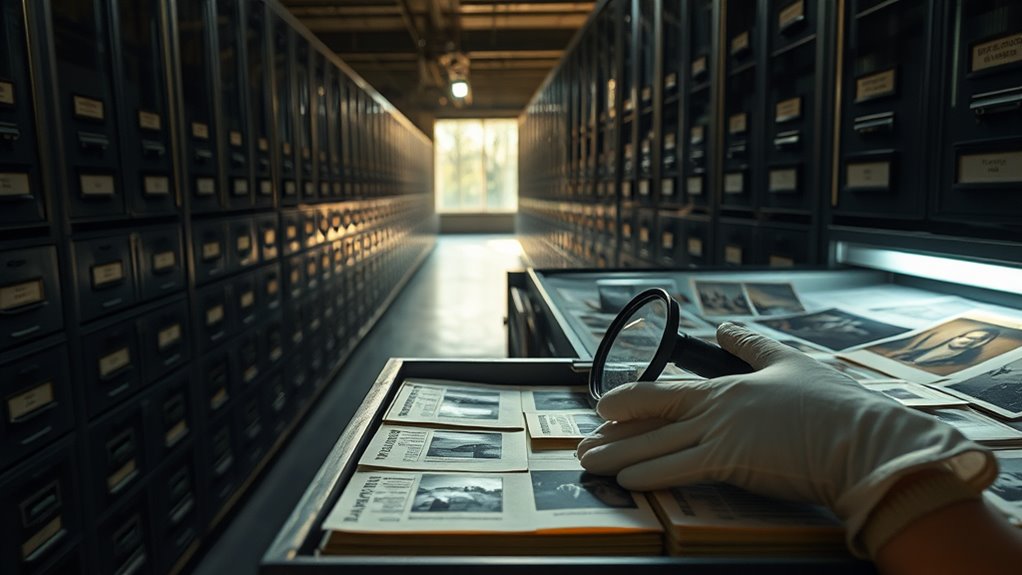
In accordance with copyright regulations, historical image archives provide book cover designers access to vast collections of vintage photographs, illustrations, and documents spanning multiple centuries.
Key Archive Sources for Your Book Cover Design:
- Library of Congress Digital Collections
- Over 1 million public domain images
- Searchable by era, subject, and medium
- High-resolution downloads available
- National Archives
- Government photographs from 1850-present
- Military and civilian historical documentation
- Copyright-cleared collections
- University Historical Collections
- Academic institution archives
- Specialized subject matter expertise
- Regional historical significance
When you're searching these archives, you'll find that most materials created before 1927 are in the public domain, making them freely available for your commercial use. You can access digitized versions through online portals, where you'll discover everything from Civil War daguerreotypes to Art Nouveau posters.
Pro Tips for Archive Navigation:
- Use specific date ranges to narrow searches
- Download highest resolution files available
- Verify usage rights documentation
- Keep detailed records of image sources
- Consider purchasing extended licenses for restricted content
Commissioned Artwork
While historical archives offer extensive resources, commissioning original artwork lets you create exactly what you envision for your book cover. You'll work directly with artists who can bring your specific vision to life, ensuring unique results that perfectly match your book's tone and theme.
Key Benefits of Commissioned Artwork:
- Complete control over artistic elements
- Exclusive rights to the final artwork
- Perfect alignment with your book's message
- Distinctive, one-of-a-kind designs
Working with Artists:
When you're commissioning artwork, you'll typically follow these steps:
- Define your budget ($500-$5000 average range)
- Create a detailed brief outlining your requirements
- Review portfolios and select potential artists
- Discuss timelines and revision processes
- Establish clear contracts and rights agreements
You'll find professional artists through platforms like Behance, ArtStation, or specialized illustration agencies. Many cover designers maintain relationships with trusted artists, so they can recommend talent that matches your style preferences. Remember to factor in additional time for the creative process, as commissioned artwork typically requires 4-8 weeks for completion, including revisions and refinements.
Personal Photography Collections
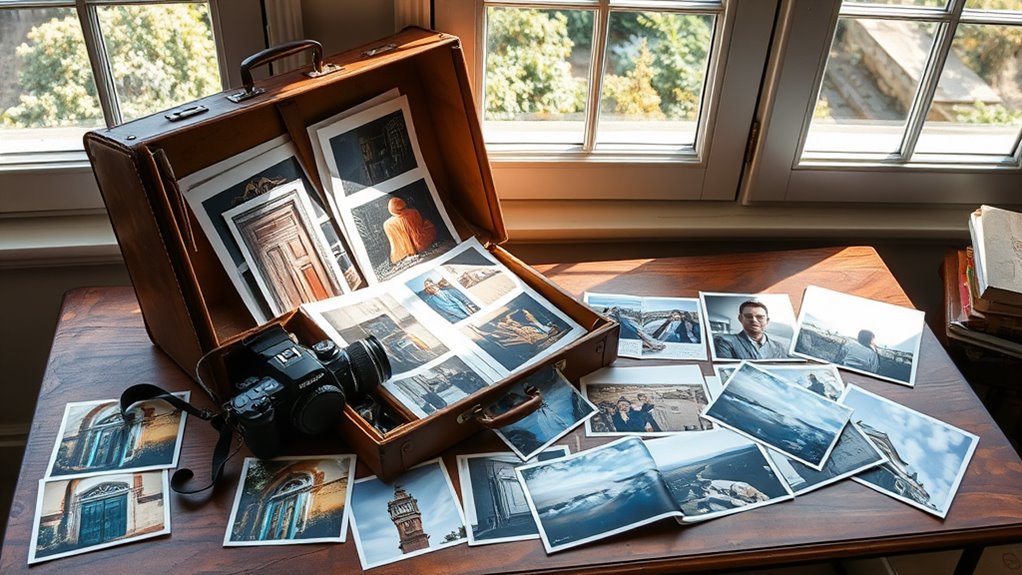
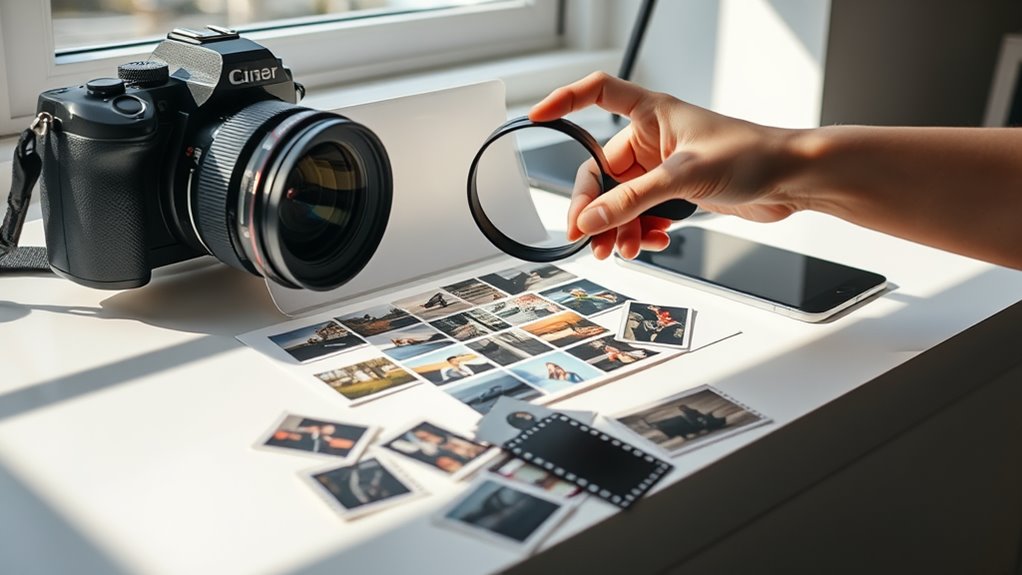
Many authors turn to their own photography collections when seeking authentic, personal imagery for their book covers. You'll find that leveraging your personal photos can provide unique, cost-effective solutions while ensuring complete rights ownership.
Key Benefits of Using Personal Photography:
- Immediate availability and zero licensing fees
- Complete creative control over composition
- Authentic connection to your narrative
- No usage restrictions or attribution requirements
Best Practices for Your Photo Collection:
- Maintain high-resolution versions (minimum 300 DPI)
- Organize images by theme, location, and subject matter
- Store both RAW and edited versions
- Document shooting details for future reference
You'll want to evaluate your photos against professional standards, considering factors like composition, lighting, and technical quality. While 68% of self-published authors use stock photography, you can distinguish your work by incorporating personal images that tell your unique story.
Remember to back up your collection across multiple devices, and you'll need to keep detailed records of when and where each photo was taken for potential copyright documentation. Consider developing a systematic approach to cataloging your images for quick access during the design process.
Digital Art Marketplaces
Digital art marketplaces' expanding catalogs offer book cover designers a vast selection of ready-to-use illustrations, textures, and graphic elements. You'll find platforms like ArtStation, DeviantArt, and Creative Market hosting millions of digital assets from artists worldwide.
Key Marketplace Features:
- Licensing options for commercial use
- Advanced search filters by style, theme, or color
- Regular updates with trending design elements
- Customizable vector graphics and templates
When you're searching these platforms, you'll discover that most marketplaces offer both subscription-based and pay-per-asset models. For instance, Adobe Stock provides access to over 200 million assets, while smaller curated platforms like Design Cuts focus on premium bundles.
Popular Digital Art Sources:
- Adobe Stock: Seamless integration with Creative Suite
- Shutterstock: AI-powered search capabilities
- Creative Market: Independent artist contributions
- ArtStation Marketplace: Gaming and fantasy art focus
You'll need to verify each marketplace's licensing terms carefully, as they'll affect how you can use the artwork in your book cover designs. Most platforms offer standard commercial licenses, but some require additional permissions for book covers exceeding specific print runs.
Conclusion
Like a chef who carefully selects ingredients from multiple sources to create the perfect dish, you'll find that book cover designers draw from various visual resources to craft compelling covers. You'll discover that whether you're working with stock photos, commissioning original artwork, or diving into historical archives, the key is choosing images that authentically represent your book's essence while capturing readers' attention in today's competitive market.