
The most common flyer size is the standard 8.5" x 11" (letter size), which maximizes visual impact and provides ample space for detailed content. You'll find this full-size option ideal for professional business announcements, educational materials, and direct mail marketing campaigns. When you're planning your flyer design, this dimension offers several advantages: it's cost-effective for printing, fits standard display racks, and maintains credibility in professional settings. Half-size (5.5" x 8.5") and quarter-size (4.25" x 5.5") options are also popular alternatives, depending on your distribution method and budget requirements. Understanding specific size benefits and applications can help you make the most strategic choice for your marketing goals.
Key Takeaway
- The most common flyer size is 8.5" x 11" (letter size), widely used for corporate announcements, educational materials, and marketing campaigns.
- Letter-sized flyers maximize visual impact while fitting standard printers, folders, and display racks without custom modifications.
- Half-size flyers (5.5" x 8.5") are the second most popular choice, offering a balance between content space and cost-effectiveness.
- Standard letter size maintains professional credibility and typically costs less due to efficient paper usage and standardized printing processes.
- Full-size flyers (8.5" x 11") allow for detailed content presentation while complying with common postal regulations for direct mail campaigns.
Standard Flyer Size Options
Full-Size Option (8.5" x 11"):
- You'll maximize visual impact with this letter-sized format
- Perfect for detailed product catalogs or event announcements
- Allows for multiple columns and larger images
- Ideal when you need to include thorough information
Half-Size Option (5.5" x 8.5):
- Offers an excellent balance between content and portability
- Works well for takeaway menus and promotional handouts
- Reduces printing costs while maintaining readability
- Fits standard display racks and brochure holders
Quarter-Size Option (4.25" x 5.5):
- Your best choice for cost-effective mass distribution
- Great for direct mail campaigns due to postage savings
- Easily fits in pockets and small displays
- Ideal for concise messaging and single-product promotions
You'll want to reflect on your distribution method and content volume when selecting your flyer size, as each format presents different advantages for your marketing objectives.
Benefits of Common Dimensions
With industry-standard dimensions, you'll gain immediate advantages in both production and distribution. When you choose common flyer sizes, you'll benefit from streamlined processes that save time and reduce costly mistakes.
Key Benefits of Standard Dimensions:
- Cost Efficiency
- Save up to 25% on printing costs through standardized production runs
- Minimize paper waste with pre-set cutting dimensions
- Benefit from bulk pricing on common paper stocks
- Time Management
- Eliminate custom setup requirements
- Reduce design revision cycles with proven formats
- Speed up printer setup and production time
- Distribution Advantages
- Fit standard display racks and holders
- Comply with postal regulations without modifications
- Guarantee compatibility with common envelope sizes
- Professional Recognition
- Match industry expectations for marketing materials
- Align with competitor formats for fair comparison
- Maintain consistent branding across campaigns
You'll also find that working with standard dimensions simplifies your workflow, as templates and design resources are readily available. Your marketing materials will seamlessly integrate with existing display systems, making distribution and storage more efficient and cost-effective.
Choosing the Right Size
Selecting the perfect flyer size depends on your marketing goals, budget, and distribution methods. You'll want to take into account both practical constraints and visual impact when making this vital decision.
Key Factors to Take into Account:
- Distribution Channel
- Hand-outs: 5.5" x 8.5" works well for direct distribution
- Mail campaigns: 8.5" x 11" fits standard envelopes
- Bulletin boards: 11" x 17" catches attention from a distance
- Budget Considerations
- Smaller sizes (4" x 6") typically cost 30-40% less to print
- Standard sizes reduce paper waste and printing fees
- Bulk ordering of common sizes offers better pricing
- Usage Requirements
- Trade show displays benefit from larger 11" x 17" formats
- Restaurant menus work best at 8.5" x 11"
- Event announcements can succeed with 5.5" x 8.5"
Your target audience's viewing distance and environment should guide your choice. If you're placing flyers on windshields, you'll want weather-resistant 4" x 6" or 5.5" x 8.5" sizes. For indoor professional settings, stick with standard letter size (8.5" x 11") to maintain credibility and provide proper display options.
Popular Uses and Applications
Different flyer sizes serve distinct promotional purposes across various industries and events. You'll find that each size category aligns with specific marketing objectives and distribution methods.
Common Applications by Size:
- 8.5" x 11" (Letter)
- Corporate announcements and business presentations
- Educational materials and course offerings
- Real estate listings and property showcases
- Direct mail marketing campaigns
- 5.5" x 8.5" (Half Letter)
- Restaurant menus and specials
- Retail store promotions
- Event announcements
- Church bulletins and programs
- 4.25" x 5.5" (Quarter Letter)
- Local business advertising
- Concert and nightlife promotion
- Service industry promotions
- Appointment reminders
Distribution Considerations:
- Large formats (8.5" x 11") work best for:
- Bulletin board posting
- Professional presentations
- Detailed product catalogs
- Smaller formats (5.5" x 8.5" and below) excel in:
- Hand-to-hand distribution
- Street marketing
- Direct mail campaigns
- Car windshield placement
You'll want to match your flyer size to both your distribution method and content density, ensuring maximum impact for your specific marketing goals.
Printing and Cost Considerations
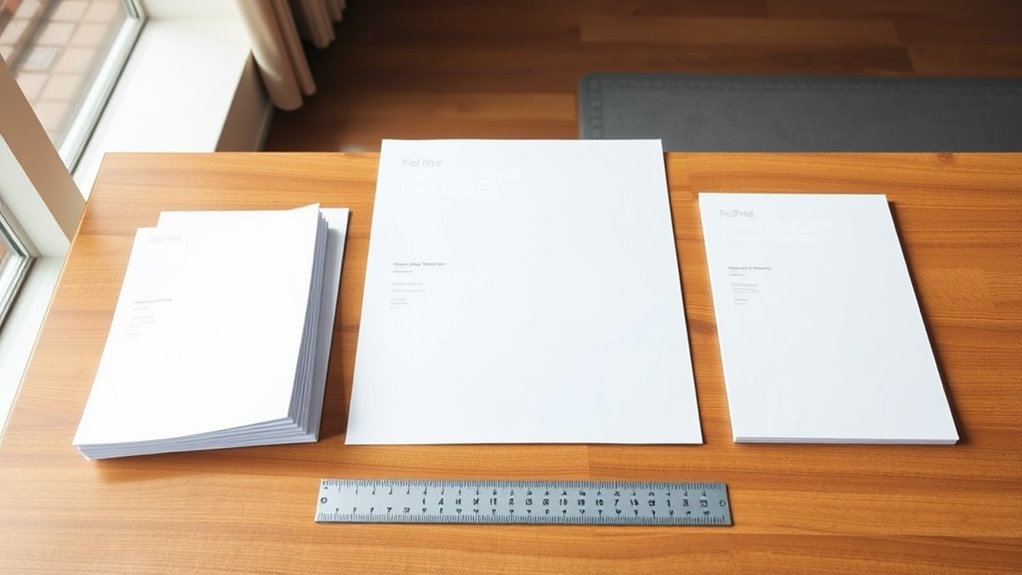
Understanding the printing costs and material considerations can make or break your flyer campaign's budget. When planning your print run, you'll need to balance paper quality, quantity, and printing method to maximize your investment.
Key Cost Factors to Evaluate:
- Paper weight: 80-100 lb text stock offers durability while keeping costs reasonable
- Print quantity: Bulk orders (500+ pieces) typically reduce per-unit costs by 40-60%
- Color options: Full-color (CMYK) printing costs 30% more than two-color designs
- Finishing touches: Gloss coating adds $0.05-0.10 per piece but enhances durability
Printing Method Options:
- Digital printing: Cost-effective for runs under 500, with quick turnaround times
- Offset printing: More economical for large quantities (1000+)
- Print-on-demand: Ideal for testing designs or small batches
To optimize your budget, you'll want to request quotes from multiple printers and evaluate seasonal promotions. Many print shops offer package deals when you combine flyers with other marketing materials. Remember to factor in shipping costs, which can add 10-15% to your total expense, especially for rush orders or heavy paper stocks.
Conclusion
Whether you're designing a promotional flyer for your new coffee shop or planning a neighborhood event, the 8.5" x 11" letter size remains your safest bet. You'll save money on printing costs, guarantee compatibility with standard envelopes, and maintain professional appeal. Take the example of local realtor Sarah Chen, who doubled her open house attendance by switching from oversized flyers to standard letter-size formats, making distribution and handling much easier.